
Chamberí vs Chamartín: Which Madrid Neighborhood to Invest In for 2026?
Chamberí vs Chamartín: Which Madrid Neighborhood to Invest In for 2026?
Choosing where to invest in Madrid often comes down to a handful of strong contenders, and two names keep rising to the top for foreign buyers: Chamberí and Chamartín. Both sit just north of the historic centre, both attract solid tenants, and both have shown resilient capital growth. Yet they serve very different investment profiles. This numbers-led comparison of Madrid neighborhoods will help you understand where your money works hardest in 2026.
If you want the wider picture first, our pillar guide to investing in Spanish real estate lays out yields, taxation and strategy before you narrow down a district.
Chamberí: Elegant, Central, Always in Demand
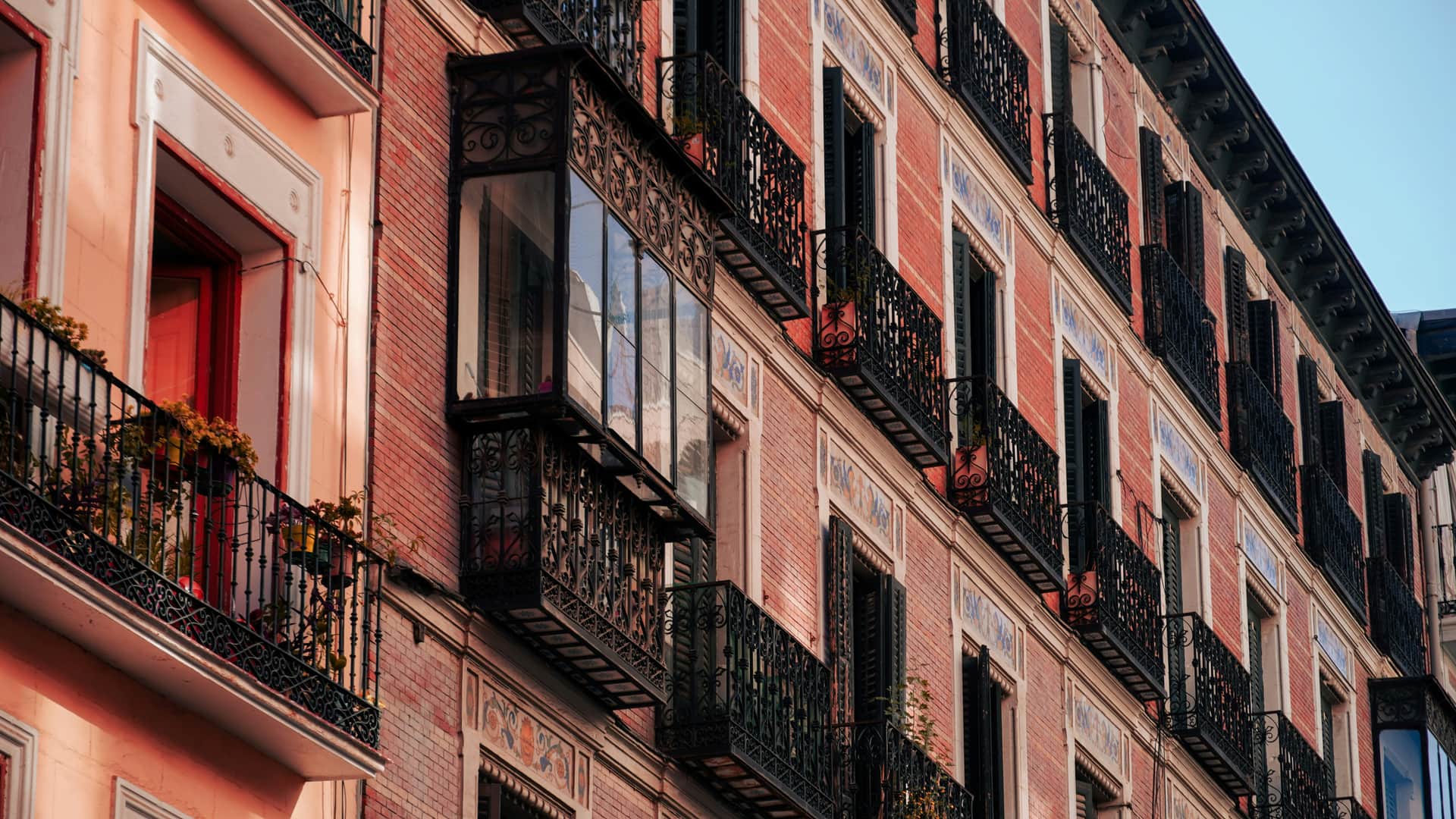
Chamberí is one of the most coveted residential areas in the capital. Its tree-lined streets, classic early 20th-century facades and walkable scale make it a magnet for both owner-occupiers and tenants who want central living without the noise of Sol or Malasaña.
Average sale prices in Chamberí typically range from €8,500 to €10,000 per square metre, climbing toward €11,000+ in prime sub-zones like Almagro or Trafalgar. Renovated period apartments command a clear premium, while properties needing works can still be found below the average.
The rental market is deep and stable. Expect:
- Gross rental yields of roughly 3.5% to 4.5%
- Strong demand from professionals, couples and international tenants
- Very short vacancy periods on well-presented flats
Chamberí suits investors who prioritise capital preservation, liquidity and prestige over raw cash flow. You can explore the full picture in our Chamberí neighborhood guide.
Chamartín: Business Hub With Room to Grow
Chamartín stretches across northern Madrid and is defined by its business districts, the AZCA financial area and the major Chamartín rail station. It is less postcard-pretty than Chamberí but exceptionally well connected, with metro, cercanías and the high-speed corridor on its doorstep.
Prices here are more varied because the district is large. Average values run from €7,000 to €9,000 per square metre, with premium pockets like El Viso reaching far higher and more functional sub-areas offering genuine entry points for investors.
The tenant base leans toward:
- Corporate professionals and executives relocating to Madrid
- Families drawn by larger flats and good schools
- Medium to long-term contracts with reliable income
Gross yields in Chamartín often land between 4% and 5%, slightly ahead of Chamberí in the more affordable corners. The ongoing Madrid Nuevo Norte regeneration project also adds a long-term growth narrative that few central districts can match. See the detailed Chamartín neighborhood guide for sub-area breakdowns.
Head-to-Head: The Numbers That Matter
Here is a simple side-by-side for 2026 planning.
- Price per m²: Chamberí €8,500–10,000 / Chamartín €7,000–9,000
- Gross yield: Chamberí 3.5–4.5% / Chamartín 4–5%
- Tenant profile: Chamberí young professionals and couples / Chamartín executives and families
- Liquidity on resale: Chamberí very high / Chamartín high
- Growth catalyst: Chamberí scarcity and prestige / Chamartín Madrid Nuevo Norte
Chamberí wins on prestige and resale speed. Chamartín edges ahead on yield and future upside. Neither is objectively better; the right answer depends on your goals, holding period and appetite for development-driven growth. For a wider, data-led ranking of districts, our price analysis and returns by neighborhood is a useful companion read.
Costs and Taxes You Cannot Ignore
Whichever district you pick, your real budget is the purchase price plus transaction costs. On resale homes you pay ITP, which in the Madrid region is generally 6% of the declared price, alongside notary, land registry and legal fees. New-build purchases attract 10% IVA instead of ITP.
Run a realistic estimate before you commit using our free purchase-cost simulator, and read the full breakdown in our guide to buying costs in Spain. For the lender side of the equation, the mortgage simulator helps you model monthly payments, including the typical situation where non-residents finance up to 70% and put down at least 30%.
Non-resident owners also face ongoing taxation. The non-resident income tax (IRNR), IBI council tax and possible wealth tax all apply, and the rules differ depending on whether you rent the property out. Our guide on what taxes you actually pay as a non-resident explains this clearly.
Before You Buy: NIE and Practical Steps
Every foreign buyer needs an NIE, the Spanish foreigner identification number, before signing at the notary. It is required for the deed, for tax filings and to open a local account. Our NIE landing page and the step-by-step NIE guide walk you through the process, and the investor's guide to getting your NIE covers the timing in detail.
You will also want a Spanish bank account ready before completion; our guide to opening an account as a non-resident shows what banks typically request.
If you plan to rent the flat out, we can also handle the lease and ongoing administration through our rental management service, so the investment stays passive once you own it.
So, Chamberí or Chamartín?
Pick Chamberí if you want a blue-chip, easy-to-resell asset in a beautiful central district and you are comfortable with slightly lower yields. Pick Chamartín if you want stronger cash flow, larger units for family tenants, and exposure to the long-term Madrid Nuevo Norte growth story.
Many of our clients end up splitting the difference based on budget: Chamberí for a flagship home, Chamartín for a pure yield play. Whatever you choose, an independent buyer's agent protects you from overpaying and from common pitfalls foreign buyers face. See how our buying service works.
Ready to Decide With Confidence?
Choosing between Chamberí and Chamartín is easier with a team on the ground who knows both markets street by street. Contact our team for a free first call, and let Triadica build a tailored investment plan that matches your budget, yield targets and timeline in Madrid.